News
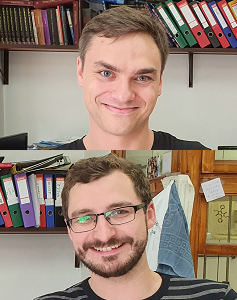
Dr Marek Grzybowski and Dr Maciej Krzeszewski received scholarships from the Ministry of Science and Higher Education for outstanding young scientists!
Loading...
Loading error
Loading...
Loading error
Loading...
Loading error
Prof. Dorota Gryko, Prof. Bartłomiej Furman, Dr hab. Wojciech Chaładaj (OPUS 18), Dr Marcin Górecki and Dr Piotr Szcześniak (SONATA 15) among the laureates of the NCN competitions!
Loading...
Loading error
Loading...
Loading error
Loading...
Loading error
Loading...
Loading error
Loading...
Loading error
The Prime Minister has awarded the annual prizes for achievements in scientific activity. Authors of doctoral dissertations and achievements serving as the basis for the award of the habilitation degree were also recognized.
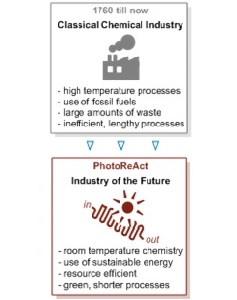
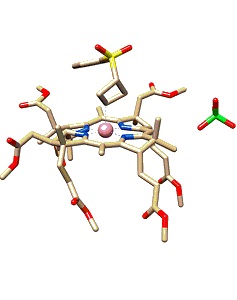
In the most prestigious category – achievements in scientific activity, including artistic creation or implementation work – Prof. Dorota Gryko was awarded for the development of novel light-driven chemical reactions and the advancement of more environmentally friendly methods of organic synthesis, utilizing porphyrins and vitamin B12, among others.
For more information:
https://www.gov.pl/web/premier/nagrody-premiera
We warmly congratulate the winner and wish her continued success!