Center for Quantum Digital Organic Memristors

CKCOM integrates synthetic chemistry, theoretical modeling, single-molecule transport experiments, and device engineering to develop organic memristive systems for next-generation information technologies.

CKCOM logo
Project

From molecules to memristor-enabled computing

We develop organic molecular systems that can operate as memristive elements. By bringing together researchers with complementary expertise — from organic synthesis and theoretical chemistry to single-molecule transport studies and device fabrication — the center aims to create a new class of functional materials for energy-efficient information processing and neuromorphic computing.

Molecular Design & Synthesis

Design and synthesis of π-conjugated molecules with controllable charge transport and switching behavior. The molecular systems are engineered to undergo proton-transfer processes leading to distinct electronic energy levels, enabling memristive functionality at the molecular scale.

Single-Molecule Transport

Experimental investigation of charge transport through individual molecules using STM-based junctions, combined with quantum-chemical modelling to reveal switching mechanisms and guide the design of functional molecular systems.

Device Integration

Implementation of molecular switching elements in electronic device architectures and evaluation of memristive behavior, stability, and performance relevant for information-processing technologies.

Key elements
  • Design and synthesis of organic molecular memristors
  • Single-molecule transport experiments (STM junctions)
  • Theory-guided molecular and device engineering
  • Prototype devices for neuromorphic computing
Team

Group leaders

The CKCOM center brings together leading researchers in molecular synthesis, theoretical chemistry, and molecular electronics.

Group Leader Name
Daniel Gryko
Director of CKCOM

Prof. Daniel T. Gryko, founder and director of the CKCOM center and Director of the Institute of Organic Chemistry PAS, leads a research group at the institute. His pioneering discoveries in the synthesis and chemistry of functional fluorescent dyes have significantly advanced modern photonic and molecular electronic materials. His work spans the design of novel chromophores and functional molecular systems with tailored optical and electronic properties.

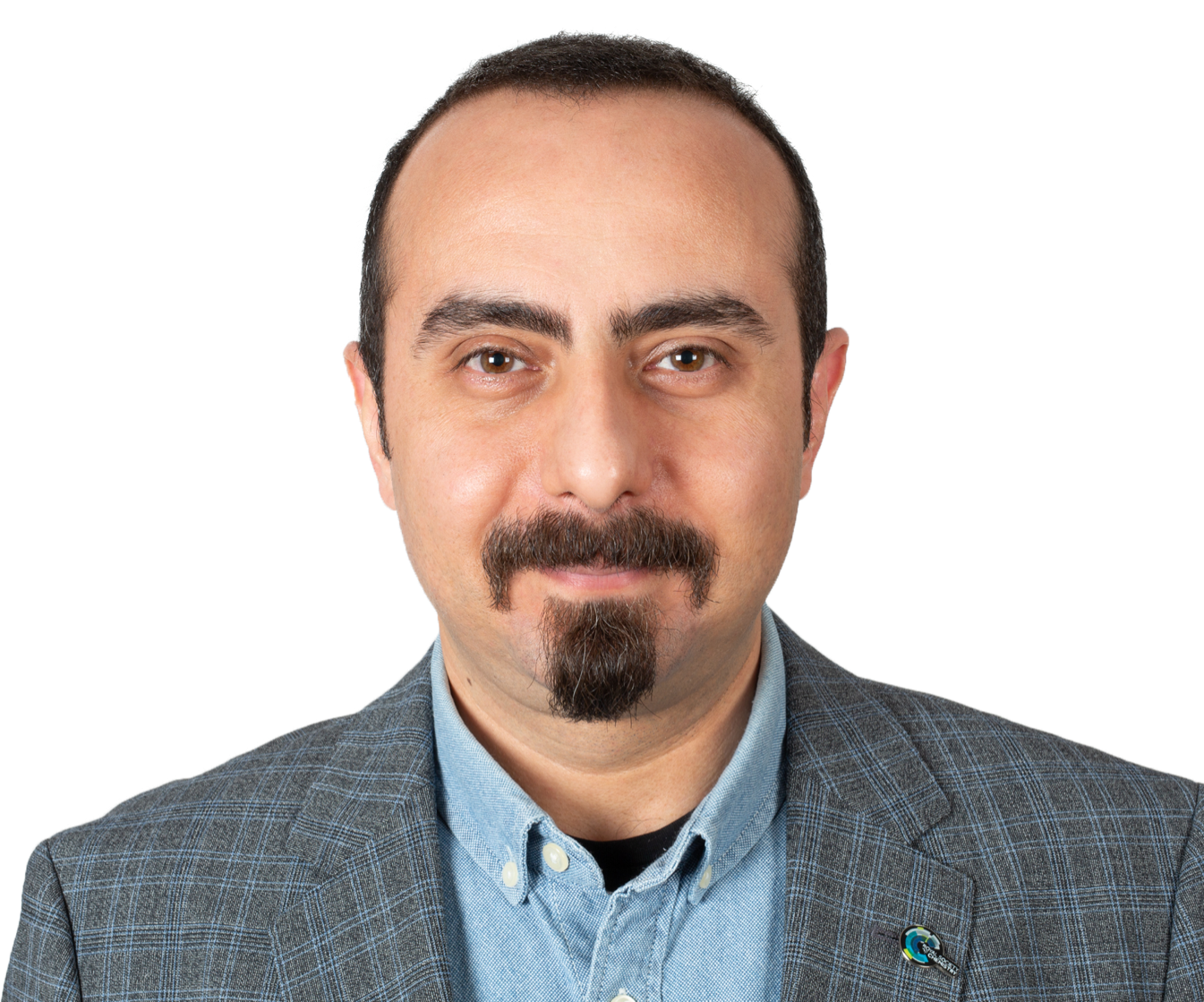
Cina Foroutan-Nejad
Cina Foroutan-Nejad
Group Leader - Computational Design

Dr hab. Cina Foroutan-Nejad leads a theoretical chemistry research group at the Institute of Organic Chemistry PAS. His research focuses on chemical bonding, aromaticity, and molecular electronics, in particular on organic memristors and other molecular components for future computing technologies. His work combines quantum-chemical methods with the development of new functional molecular systems.

Marek Grzybowski
Marek Grzybowski
Group Leader - Organic Synthesis

Dr. Marek Grzybowski leads a synthetic chemistry research group at the Institute of Organic Chemistry PAS. His research focuses on the design of π-conjugated fluorescent systems, including heteroatom-containing polycyclic arenes, NIR-II emitters, macrocyclic fluorophores, and CPL-active molecules relevant to molecular electronic materials.

Research

Research groups

CKCOM brings together five complementary research groups that span the entire development pathway of molecular memristors — from theoretical design and molecular synthesis to single-molecule measurements and device fabrication. This interdisciplinary structure enables the systematic transformation of molecular switching phenomena into functional electronic components.

Computational Design

PI: Cina Foroutan-Nejad

Computational design and theoretical investigation of molecular systems capable of memristive switching.
Electronic-structure calculations and quantum transport modeling are used to predict charge-transport properties, understand switching mechanisms, and guide the design of functional molecular architectures.

DFT electronic structure calculations quantum chemistry

Organic Synthesis

PI: Marek Grzybowski

Design and synthesis of π-conjugated molecular systems computationally predicted to exhibit controllable switching behavior.
The molecules are engineered to undergo proton-transfer processes that lead to distinct electronic states with different energy levels, enabling memristive functionality at the molecular scale.
π-conjugated molecules functional molecular switches

Spectroscopy & Characterization

PI: Daniel Gryko

Spectroscopic investigation of the electronic structure and switching processes in designed molecular systems.
Optical and spectroscopic methods are used to probe ground and excited states, charge distribution, and structural dynamics, providing insight into the mechanisms governing molecular switching.

electronic spectroscopy photophysical characterization structure–property relationship

Single-Molecule Transport

PI: to be recruited

Experimental studies of charge transport through individual molecules using scanning tunneling microscope (STM) junction techniques.
These experiments directly probe conductance switching at the molecular scale and establish the relationship between molecular structure and transport properties.

molecular junctions single-molecule devices STM

Organic Memristor Devices

PI: to be recruited

Integration of molecular switching elements into electronic device architectures.
This research direction focuses on translating molecular-scale switching phenomena into functional memristive devices and evaluating their performance, stability, and scalability for future information technologies.

molecular electronic devices device architectures performance and stability